
Community Services / Environmental Advocacy / Wildlife Protection

Top-Rated Wildlife Protection & Advocacy Groups in Toronto

Safeguard urban biodiversity, protect migratory birds, and advocate for native fauna habitats with Toronto's premier wildlife protection groups and animal advocacy coalitions. Connect with verified organizations dedicated to preserving species across the Greater Toronto Area.

Explore dedicated wildlife conservation networks serving Downtown Toronto, High Park, North York, Scarborough, Etobicoke, Mississauga, Vaughan, Markham, and surrounding GTA communities.

Verified Organizations

Featured Wildlife Protection & Advocacy Groups in Toronto

Explore trusted local coalitions championing bird collision prevention, urban wildlife coexistence, habitat connectivity, and environmental policy reforms.

Premium wildlife protection advocacy group advertising slot
Sponsored Listing

Your Wildlife Protection Organization Name

Stand out to thousands of residents, volunteers, and conservationists dedicated to protecting Toronto's urban wildlife. Feature your advocacy group or coalition with direct web links and community reviews.

⭐ Exclusive Category Spotlight
Community Support Guide

Engaging with Wildlife Protection & Advocacy in Toronto

Coexisting with nature in a bustling metropolis like Toronto requires conscious effort and robust municipal protection standards. Here is how you can support local wildlife initiatives.

1. Bird-Safe Building & Window Collision Mitigation

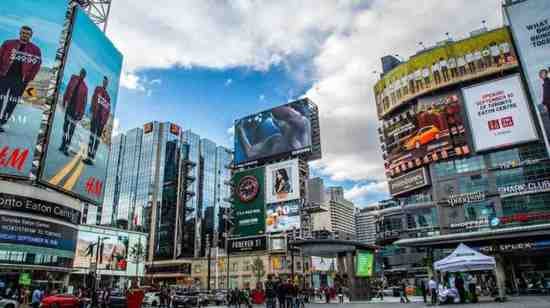
Support advocacy groups working to mandate bird-friendly architectural guidelines across Toronto's commercial and residential developments to prevent millions of annual migratory bird collisions.

2. Habitat Preservation & Citizen Science

Get involved by participating in local biodiversity inventories, monitoring urban species populations, and advocating for the protection of ravines, parks, and natural wetlands from development pressure.

3. Key Focus Areas to Look For

Top-rated listings on the Toronto Business Directory frequently highlight urban wildlife rescue networks, pollinator pathway protection, wildlife corridor restoration, and humane urban animal management education.